F E S T I V A L / FEST-002
Shitennōji Doya-doya (Shushōe Concluding Ceremony)
四天王寺 どやどや(修正会結願法要)してんのうじ どやどや
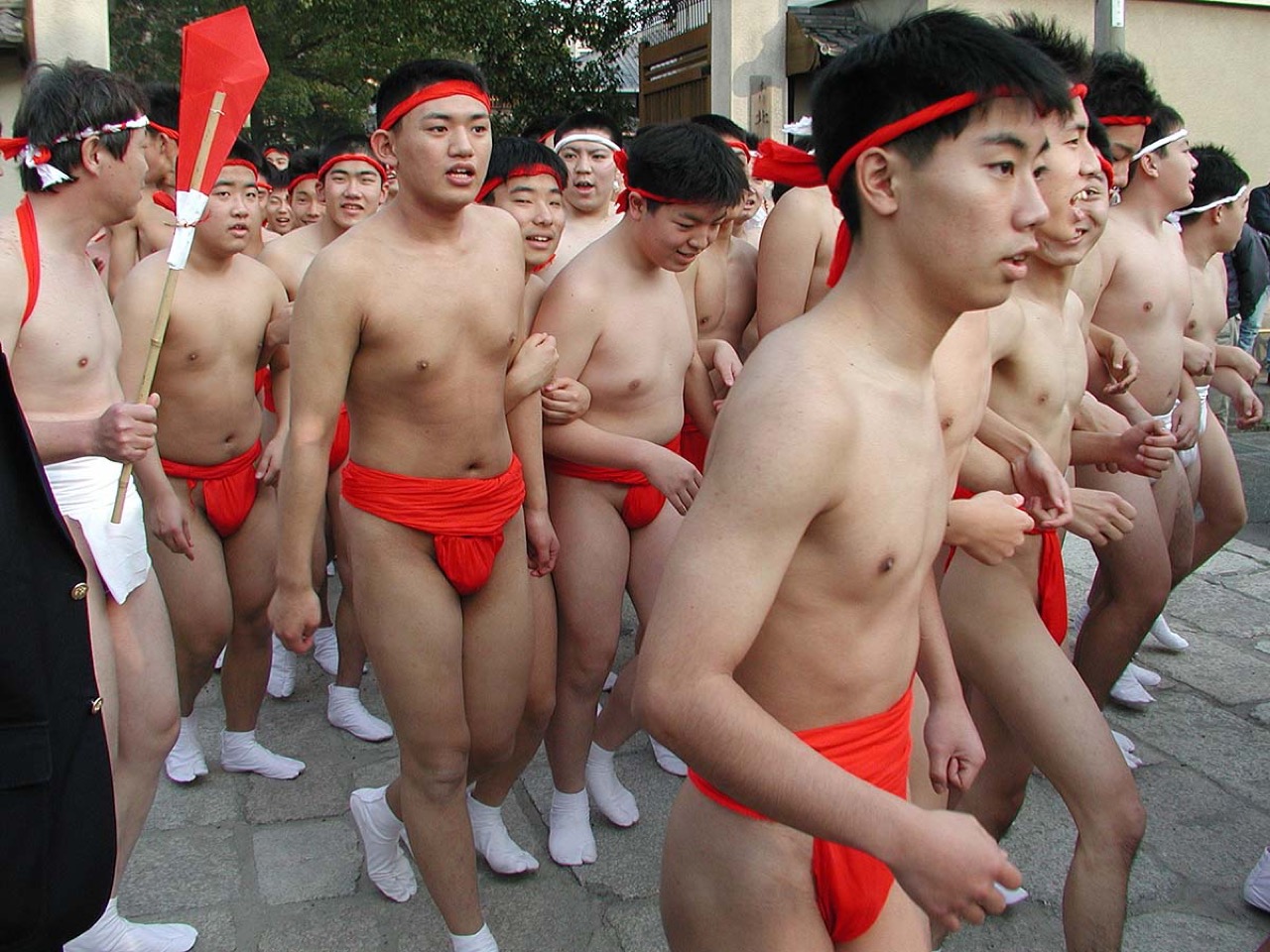
Shitennōji is the temple Prince Shōtoku built in 593 CE, making it among the oldest Buddhist institutions in Japan. Every January 14th, the temple marks the conclusion of its Shushōe — a 14-day New Year purification rite — with the Doya-doya, a ceremony in which hundreds of young men in white fundoshi (loincloth) and headbands scramble across the courtyard in front of the Rokuji Raisan-dō hall to seize blessed talismans (o-fuda) that have been prayed over during the rite's duration. The name "doya-doya" derives either from the participants' battle cries or from the Ōsaka dialect expression for "how about that?" — both explanations are consistent with the scene, which involves high-school-aged participants in a state of competitive physical intensity surrounded by a crowd large enough to generate its own atmospheric pressure. Currently high school students form the core of the participants, giving the ceremony a quality of youth aggression and communal chaos that is difficult to encounter in any other religious context in Japan.
H I G H L I G H T S
Highlights
- 01Hundreds of white-fundoshi youths in a full-contact scramble for blessed talismans in a seventh-century Buddhist courtyard — one of Ōsaka's most viscerally alive traditional spectacles
- 02The surrounding crowd's density creates a collective atmosphere that affects observers as physically as participants
- 03The simultaneous tondoyaki (New Year bonfire) in the precinct adds fire to the ceremony's already considerable energy